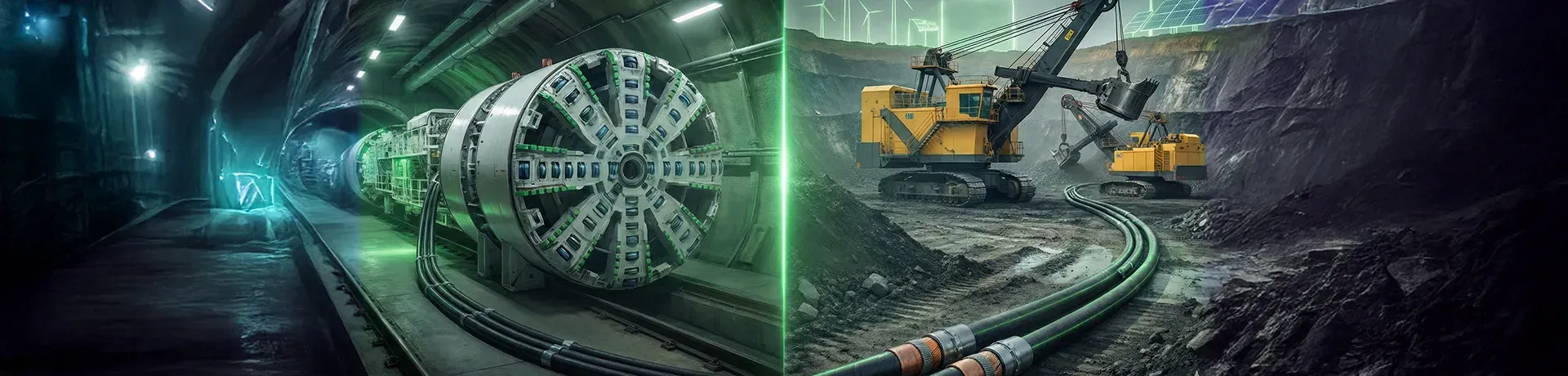
The current world climate requires all energy sources and all infrastructure elements to meet cleaner energy standards. Cables function as essential power sources that deliver electricity to residential areas and industrial sites and digital communication systems. The method of producing and disposing of cables leads to serious environmental problems.
The current market demands sustainable cable solutions that protect the environment instead of treating them as temporary fashion trends. The upcoming green infrastructure development requires us to understand its transformation through everyday examples.
Why Traditional Cables Are a Concern
Conventional cables, as per the Cable Manufacturer in Australia, use PVC (polyvinyl chloride) as their primary production material, which releases toxic substances during both manufacturing and disposal processes. The cables release waste into the environment while their recycling process becomes challenging for more than ten years. The environmental problems increase because infrastructure development proceeds at a fast pace.
What Makes a Cable Eco-Friendly
Eco-friendly cables are designed with sustainability in mind from start to finish. The products use materials that either do not harm human health or can be recycled or turned into compost. The cables aim to decrease their greenhouse gas emissions during production while boosting their energy efficiency throughout their operational lifetime. The goal is simple: minimize harm without compromising performance.
Use of Halogen-Free Materials
Green cables are notable in that they utilize halogen-free materials. On the contrary to traditional cables, these do not give off toxic gases when on fire. Hence, they are safer not only for people but also for the environment, particularly in closed spaces such as buildings and tunnels.
Recyclable and Sustainable Materials
Increasingly, cable producers are turning to recyclable metals such as aluminum and copper that are responsibly obtained for their products. Likewise, the range of insulation materials keeps growing, with some being capable of being reused or decomposed in an environmentally friendly manner. This goes a long way toward combating waste and endorsing a circular economy.
Energy-Efficient Manufacturing Processes
Lowering energy consumption remains central to eco-friendly cable manufacturing. Renewable energy sources like solar or wind power are what many factories now use. This step, without doubt, slackens the carbon footprint of the cable being manufactured at each location.
Longer Lifespan and Durability
The green cords can withstand the test of time better than usual thanks to the high level of quality they are made with. What is more, resistant to heat, moisture and general wear, these cables need less changing. Besides saving money, the product also impacts the environment by lessening the amount of waste.
Reduced Carbon Footprint
As sustainable cables make it to the installation point, through the source, carbon emissions are targeted for reduction in general. Merely making minor changes in even the different stages of the cable's life can lead to quite a massive positive impact, especially for large infrastructure projects.
Fire Safety and Low Smoke Emission
Safety always comes first and so do these green cables. In case of fire, the smoke emitted is substantially less and toxic fumes are not released. This greater visibility and reduction of risks to health have made them popular choices at places that get lots of people such as airports, hospitals, or offices.
Supporting Renewable Energy Systems
Without sustainable cables, the installation and operation of green energy systems will not be reduced to zero environmental impact. They not only support diversification in renewable energy systems like solar and wind energy but also work efficiently.
Role in Smart Cities
As urban centres get smarter and more connected, they require more efficient and green infrastructures. Environmentally safe cables enable smart grids, charging points for electric vehicles, and IoT networks, thereby contributing to the sustainability of city life.
Compliance with Environmental Regulations
Most governments across the globe are continuing to raise the bar for environmental standards. Implementing sustainable cable solutions not only enables businesses to keep up with these regulations but also helps them to craft a good image for their brand.
Cost vs Long-Term Value
Eco-friendly cables might set you back a bit more initially; however, when you look at the big picture, they are a much better deal. It is a wise move that leads to lower maintenance requirements, longer durability, and energy savings in the end.
Innovation Driving the Industry
The Australian cable sector never rests and keeps on bringing us new things. From insulation made out of biological material to effective recycling methods, technology and innovation are making green cables more user-friendly and efficient daily.
Challenges in Adoption
Though the advantages of eco-cables are many, it is not without problems. Insufficient knowledge, a more expensive initial price tag, and the absence of facilities for recycling are factors that may slow down the entrepreneurial willingness to adopt these cables. That said, as demand increases, these obstacles are coming to an end.
The Role of Businesses and Consumers
Businesses and consumers both have to do their bits. Even dealing with eco-friendly cables on small projects can make a big difference in the long run. Spreading the word and showing a willingness to make eco-friendly choices are some of the ways to encourage sustainability.
Building a Greener Future with Smarter Choices
Sustainable and eco-friendly cable solutions function as more than technical enhancements because they transform our understanding of infrastructure development. Every cable laid today shapes the environmental footprint of tomorrow. Our selection of environmentally friendly options results in better operational efficiency and safer conditions while we protect Earth for upcoming generations. The ongoing technological progress and increasing public knowledge will establish these solutions as standard practices that drive us toward a cleaner and smarter and more responsible future.
Znergy is an Australian-based cable engineering and manufacturing group supplying power cable solutions to mining, infrastructure, and industrial markets
© 2026 All Rights Reserved by Znergy Cable | Designed By FODUU